Pig farming plays a vital role in agriculture, providing high-quality protein while contributing to sustainable farming practices. Pigs are not only one of the most widely raised livestock animals in the world, but they are also incredibly intelligent and efficient at converting feed into nutritious food. Let’s dive into some fascinating facts about pig farming and how it benefits both farmers and consumers!
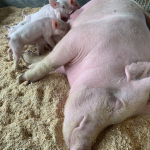 Pigs Are Highly Intelligent Animals
Pigs are often ranked among the most intelligent animals, with cognitive abilities comparable to dogs. They can recognize their names, solve problems, and even play games! Farmers provide enrichment tools, such as balls and toys, to keep pigs engaged and ensure their well-being.
The Process of Raising Pigs
Pig farming follows a structured process to ensure healthy growth and high-quality pork production. The life cycle of a pig on a farm generally includes:
- Farrowing (Birth to Weaning) – Piglets are born in a safe, climate-controlled environment where they receive essential nutrition from their mother’s milk.
- Nursery Stage – After weaning, young pigs move to a nursery where they receive balanced diets to support their growth.
- Growing and Finishing – Pigs continue to grow in carefully managed barns that protect them from harsh weather and disease. Farmers focus on proper nutrition, veterinary care, and biosecurity to ensure healthy animals.
- Market Readiness – Once pigs reach the ideal weight, they are processed into high-quality pork products that feed millions worldwide.

Sustainability in Pig Farming
Modern pig farmers are committed to sustainability by implementing environmentally friendly practices such as:
- Recycling By-Products – Many farms repurpose food waste and agricultural by-products as feed, reducing landfill waste.
- Manure Management – Pig manure is a valuable natural fertilizer that enhances soil health and reduces the need for synthetic fertilizers.
- Improved Efficiency – Advances in genetics, nutrition, and farm management have led to lower environmental impacts per pound of pork produced.
Pig Farmers Work Hard to Ensure Animal Welfare
Farmers prioritize pig health and welfare by providing clean housing, high-quality feed, and veterinary care. Strict industry standards and regulations ensure pigs are raised in safe, humane conditions. Continuous improvements in animal care and farming technology help pig farmers produce safe, nutritious, and responsibly raised pork.
Why Pig Farming Matters
Pig farming is essential to both rural economies and global food production. The pork industry supports thousands of jobs in farming, processing, and distribution. Additionally, pork is a valuable source of protein, vitamins, and minerals, making it an important part of a balanced diet.
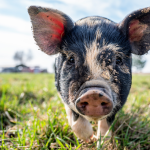 From their intelligence to their role in sustainable agriculture, pigs are truly remarkable animals.
Want to learn more about pig farming? Stay tuned for more insights into modern agriculture and the hardworking farmers who feed our world!